Aligning Player Rewards Across Platforms: Loyalty Loops in Slots and Bingo Networks
Written by Quinn Werner · Aug 29, 2026
Aligning Player Rewards Across Platforms: Loyalty Loops in Slots and Bingo Networks
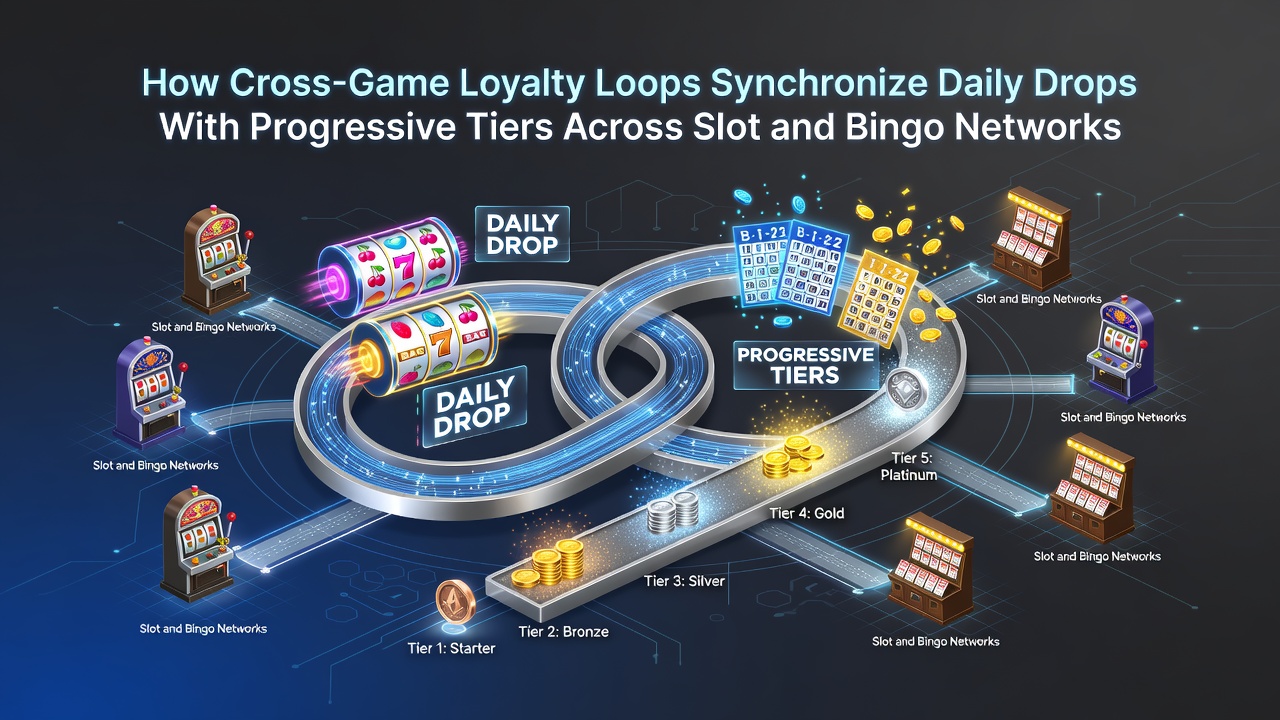
Cross-game loyalty systems now coordinate daily drops with progressive tier structures in slot and bingo networks through shared point ledgers that track activity across both formats. Operators assign points based on wager volume and session length, then convert those points into tier status that unlocks escalating daily drop eligibility while feeding into networked progressive pools. Data from multiple platforms indicates that players who maintain consistent cross-game participation reach higher tiers faster because the system merges slot spins and bingo card purchases into a single progression metric.
Mechanics of Point Accumulation and Tier Progression
Each wager in slots contributes a fixed percentage to the loyalty ledger, whereas bingo participation adds points through card purchases and pattern completions, yet both feed the same tier ladder. Lower tiers grant access to basic daily drops that reset every 24 hours, while mid-tier status synchronizes those drops with partial progressive contributions that accumulate across the network. Observers note that higher tiers automatically adjust drop frequencies so that players receive bonus entries proportional to their current level, and these entries carry over into progressive jackpots that link multiple sites. Research from industry reports shows that tier resets occur monthly in most networks, which encourages sustained play rather than sporadic sessions.
Synchronization of Daily Drops With Progressive Tiers
Daily drops function as time-bound rewards that networks calibrate according to tier thresholds, so a player at tier three might receive three drop attempts per day while also earning accelerated contributions to the progressive meter. The synchronization occurs through backend algorithms that monitor real-time activity and adjust drop values when progressive tiers near payout thresholds, creating a feedback loop where daily engagement directly influences jackpot growth rates. As of August 2026 several major networks updated their synchronization protocols to include bingo-specific multipliers that boost drop values when players complete certain patterns, and these updates have aligned the reward cadence more closely with slot progressive cycles. Figures from platform analytics reveal that cross-game players trigger an average of 1.8 times more progressive contributions than single-game participants because the loyalty loop merges the two reward streams.
Network Integration Across Multiple Operators
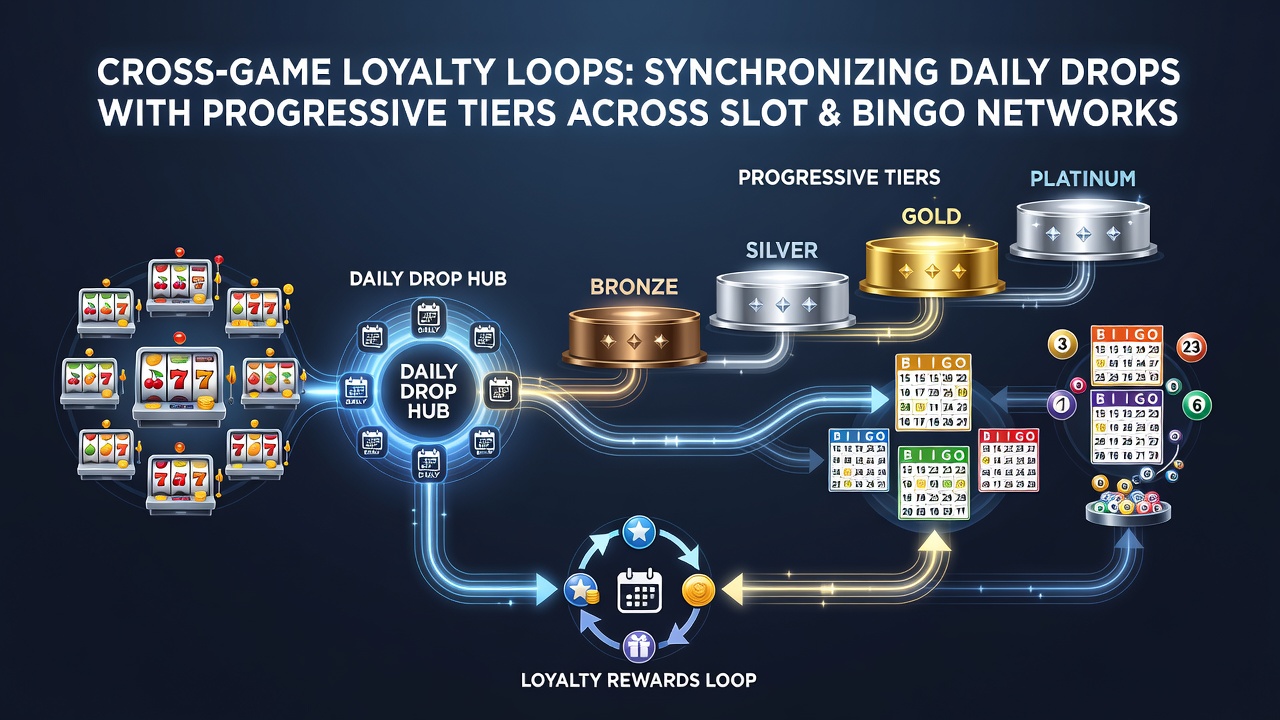
Shared databases allow different operators to pool progressive tiers while maintaining separate daily drop schedules, which means a player can earn tier status on one site adn apply it to daily drops on another within the same network family. This integration relies on API connections that update point balances in real time and flag eligible players for synchronized rewards. Those who study these systems have documented cases where bingo halls partnered with slot providers to share tier data, resulting in unified progressive meters that grow from both game types simultaneously. External regulatory frameworks in regions such as New Jersey require transparent reporting of these cross-network contributions, which helps maintain consistent payout ratios across the linked platforms.
Player Journey Through Tiered Rewards
A typical player begins at entry tier with access to standard daily drops that appear at fixed intervals, then accumulates points through mixed slot and bingo sessions until reaching the next threshold. At that point the system activates enhanced drop values and begins routing a percentage of each wager into the progressive pool, which in turn influences the size of future daily rewards. Case examples from platform logs show that players who alternate between formats every few days maintain steadier tier advancement than those who focus on one game, because the loyalty algorithm rewards variety with bonus point multipliers. Networks often display current tier progress and upcoming drop windows in unified dashboards so participants can plan sessions around synchronization windows.
Technical Infrastructure Supporting the Loops
Backend servers run continuous reconciliation processes that match point earnings from slots against bingo activity and then apply tier rules to both daily drop queues and progressive contribution rates. These processes incorporate timestamp verification to prevent duplicate crediting while ensuring that cross-game transfers occur without lag. Industry associations such as the Canadian Gaming Association have published guidelines on data security for these shared ledgers, emphasizing encryption standards that protect player information during synchronization. The infrastructure also handles tier demotions when activity falls below minimum thresholds, which automatically adjusts daily drop eligibility and removes players from certain progressive tiers until they re-qualify.
Conclusion
Cross-game loyalty loops create measurable connections between daily drops and progressive tiers by merging activity data from slots and bingo into unified progression systems. Networks achieve synchronization through shared point tracking, tier-based reward scaling, and real-time API updates that adjust eligibility across multiple operators. Regulatory oversight in various jurisdictions ensures these mechanisms operate within defined parameters while players experience coordinated reward streams that reflect combined participation levels.