Minimum Wager Thresholds: How Bet Sizes Control Access to Progressive Jackpots in Slots and Bingo
Written by Otto Perry · Aug 27, 2026
Minimum Wager Thresholds: How Bet Sizes Control Access to Progressive Jackpots in Slots and Bingo
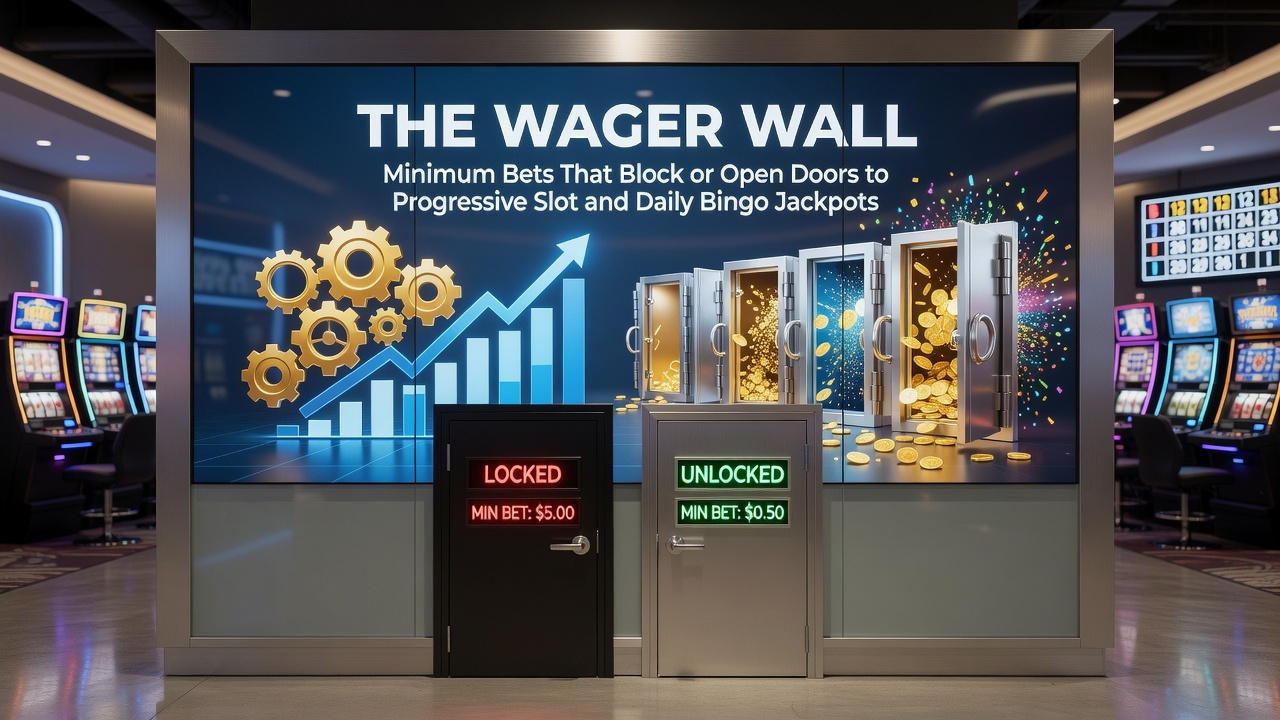
Minimum bet requirements create clear barriers in progressive slot and daily bingo systems, where players must meet specific wager levels to qualify for accumulating prize pools that grow across networked games. These thresholds vary by platform and jurisdiction yet consistently determine whether a spin or ticket contributes to the jackpot meter or remains ineligible for the top prize. Data from industry reports shows that progressive networks often set base bets at 1 credit per line or higher, while daily bingo drops require participation fees that scale with the number of cards purchased during promotional windows in August 2026.
Progressive Slot Mechanics and Bet Gates
Progressive slot titles link multiple machines or online instances so that a portion of each qualifying wager feeds a shared pool, and eligibility hinges on whether the player activates the maximum number of paylines or meets a fixed coin value per spin. Operators enforce these rules through game code that checks bet size before adding to the meter, which means lower stakes may trigger smaller fixed prizes but leave the progressive tier untouched. Observers note that this structure appears across major providers where the contribution rate sits between 1 and 5 percent of each eligible bet, according to technical specifications published by game developers.
Take one widely distributed five-reel title where the jackpot activates only when 20 coins are wagered across all lines; anything below that amount still produces regular wins yet bypasses the progressive entirely. Research indicates such designs encourage players to adjust stake levels upward when chasing the top prize, while lower bets keep the game accessible for casual sessions without jackpot eligibility. In August 2026 several platforms adjusted these minimums slightly to align with updated regulatory guidelines from the New Jersey Division of Gaming Enforcement, resulting in clearer on-screen indicators that display current requirements before each round begins.
Daily Bingo Jackpot Structures and Participation Fees
Daily bingo jackpots operate on similar contribution principles but tie eligibility to the purchase of specific ticket packages or card quantities during scheduled drops. Minimum spend thresholds ensure that only players committing a set amount per session enter the progressive pool, which resets or carries over based on whether the prize was claimed that day. Figures from gaming association summaries reveal that many operators require at least five cards or a fixed monetary buy-in before contributions begin, creating a practical wall that filters smaller wagers away from the accumulating prize.
Platforms frequently display these rules in lobby descriptions and game information panels so participants know in advance whether their chosen package opens the door to the daily drop. Those who have studied payout patterns across multiple sites observe that higher minimums correlate with faster meter growth during peak hours, whereas reduced thresholds during off-peak periods attract broader participation while still maintaining the progressive element.
Regional Variations in Threshold Application
Different regulatory environments shape how minimum bets are implemented and disclosed. Australian state authorities, for instance, mandate prominent display of jackpot eligibility criteria on every game interface, while Canadian provincial frameworks focus on ensuring contributions only occur from verified adult accounts meeting stake floors. Data compiled by the American Gaming Association highlights that these regional differences affect player behavior, with higher thresholds in some markets leading to concentrated play among those willing to meet the requirements.
One documented case involved a European operator that lowered its progressive slot minimum from 50 credits to 30 credits in response to player feedback collected through platform analytics; the change increased the number of eligible spins without altering the overall contribution percentage. Similar adjustments appear in bingo offerings where daily drop buy-ins were tiered to allow entry at multiple spend levels, each unlocking proportional shares of the growing prize.
Technical Implementation and Player Notification
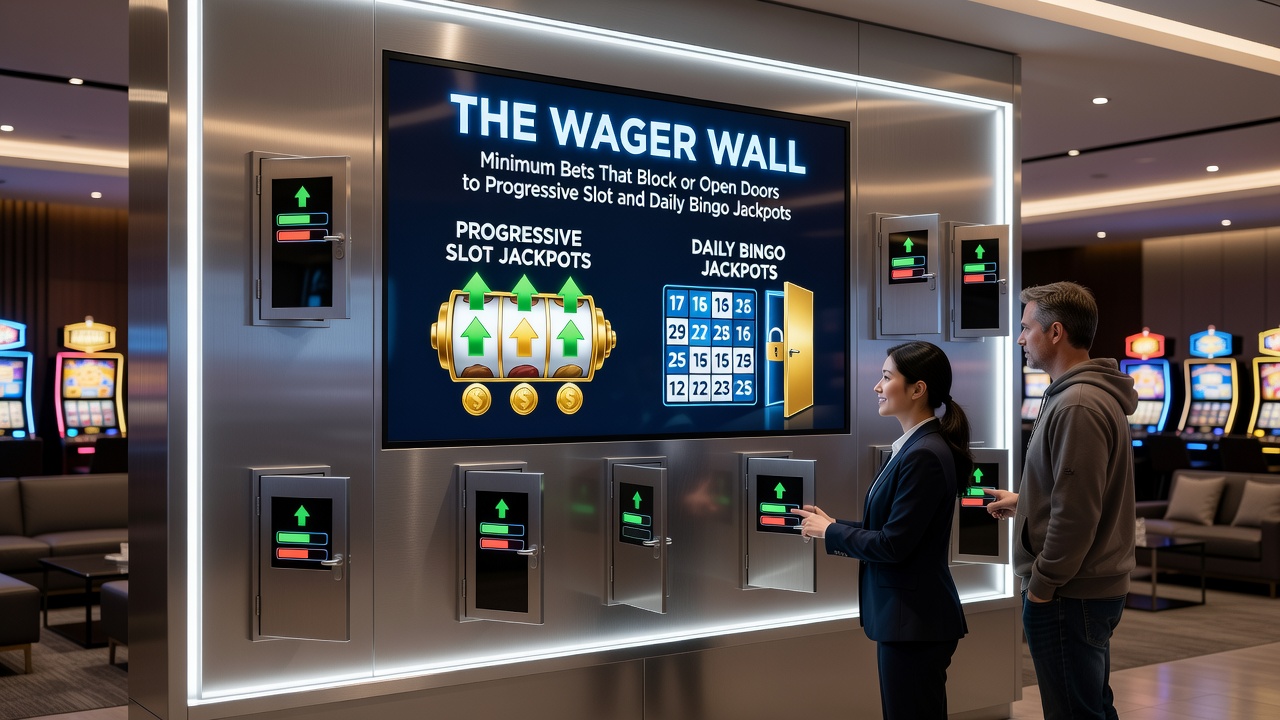
Game servers perform real-time checks on bet size before any contribution registers, using flags embedded in the software to route qualifying wagers into the progressive ledger. When a player falls short of the threshold the system still processes the round normally but routes funds only to fixed prize tables. Clear notifications appear on modern interfaces through pop-up windows or persistent banners that state the exact requirement and current progress toward it, reducing confusion during extended play sessions.
Industry reports from research institutions indicate that transparent communication of these rules correlates with higher retention rates, as participants understand precisely what separates standard play from jackpot contention. In August 2026 several major networks introduced color-coded bet sliders that change hue once the minimum for progressive eligibility is reached, providing an immediate visual cue without interrupting the flow of the game.
Conclusion
Bet size requirements remain a core feature of progressive slot and daily bingo jackpot systems, determining access through fixed minimums that operators enforce consistently across platforms. These thresholds vary by game type, region, and promotional period yet serve the same function of channeling contributions from qualifying wagers into shared prize pools. As networks continue to refine their interfaces and adjust levels in line with regulatory updates, players encounter clearer information about exactly how much must be staked to open the door to the largest prizes available in these formats.